Overview
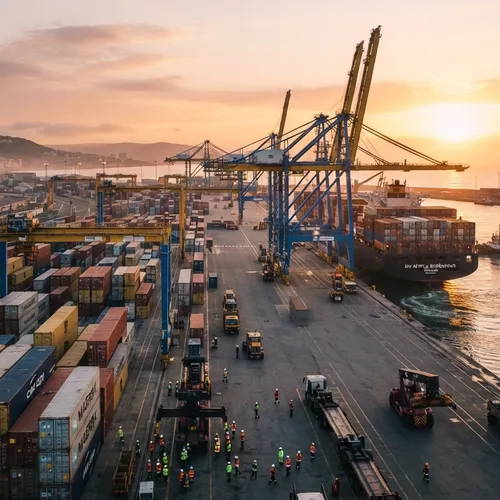
East Africa’s trade corridors are undergoing significant transformation as states, financiers, and logistics operators compete to shape the region’s commercial future. Ports, rail lines, highways, and border posts are no longer just infrastructure assets. They are strategic leverage points that influence market access, customs efficiency, and the flow of critical goods.
The competition is being driven by multiple forces at once: regional integration efforts within the East African Community, major infrastructure investments from China and Gulf partners, renewed Western interest in supply-chain diversification, and domestic policy changes that affect transit, taxation, and corridor security.
Strategic Pressure Points
The most important corridors are the ones linking inland economies to maritime gateways. These routes connect producers, manufacturers, and importers to ports in Mombasa, Dar es Salaam, and beyond. Where infrastructure is reliable, trade volumes grow. Where checkpoints, congestion, or political friction interrupt movement, costs rise quickly and investors face greater uncertainty.
Governments in the region are increasingly treating corridor infrastructure as a strategic asset. That means new rail projects, port upgrades, and special economic zones are not only commercial decisions but also geopolitical ones. Investors that understand the politics around these routes are better placed to anticipate delays, policy shifts, and partnership opportunities.
Implications for Investors
For multinational companies, the lesson is clear: corridor strategy matters as much as market selection. Logistics resilience, customs predictability, and local political relationships can shape the feasibility of regional expansion just as much as demand or pricing.
Businesses that rely on East Africa’s trade corridors should monitor infrastructure financing, bilateral diplomacy, and regional security developments closely. In a competitive corridor environment, the firms with the best intelligence often secure the most durable advantage.