Overview
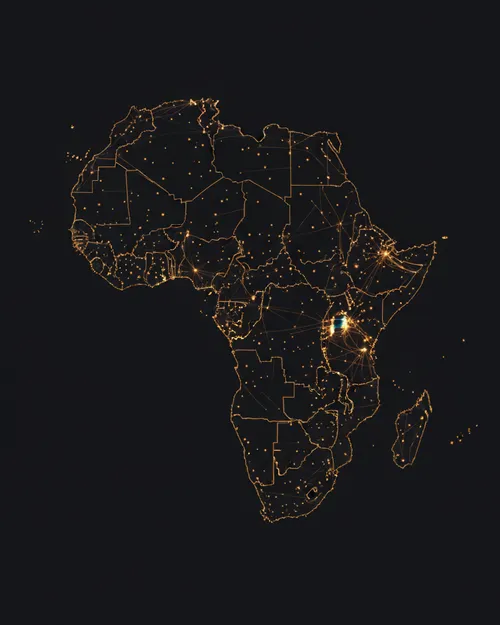
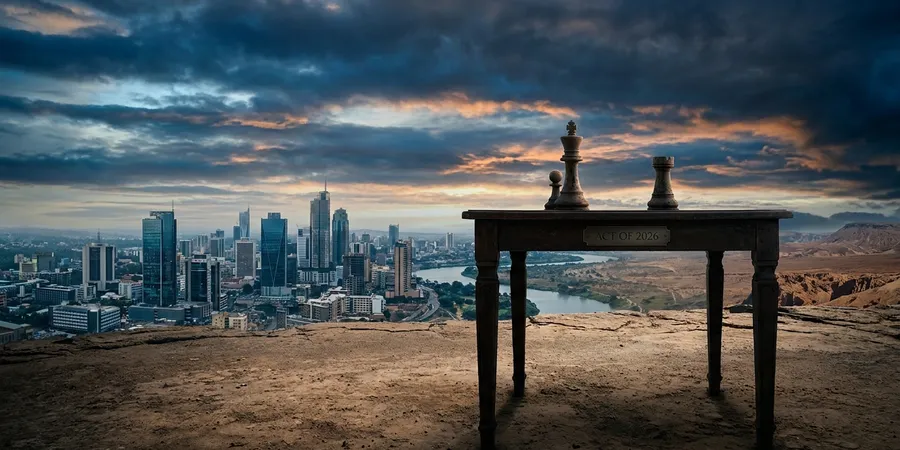
The Russian Sanction Act targets Moscow, yet Africa might also have to share a portion of the burden. That is usually how sanctions work. They are designed to put pressure on one government, but their effects travel through trade, banking, fuel markets, and food prices. The initial political purpose may seem distant by the time such impacts trickle down to ordinary households. African governments might not be the main targets, but they will not escape the broader effects.
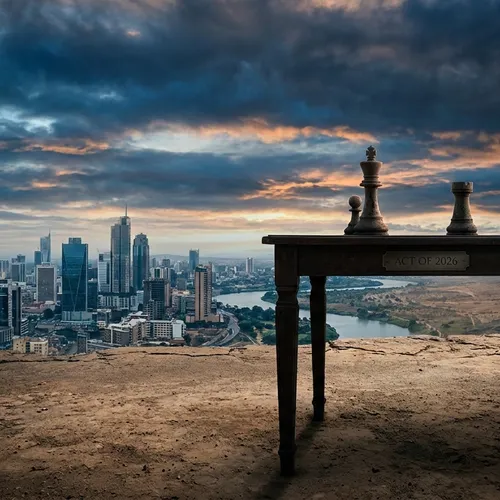
On August 7, 2026, the Lindsey O. Graham Sanctioning Russia Act was passed by the US Senate. The bill allows tariffs of up to 100 percent on major buyers of Russian oil and gas, as well as countries believed to be helping Russia circumvent energy sanctions. China and India are more exposed than most African states, yet Africa is still part of the same global trading system. If sanctions interfere with energy supplies or payment systems, the impact may spread rapidly.
The Economic Transmission Channels
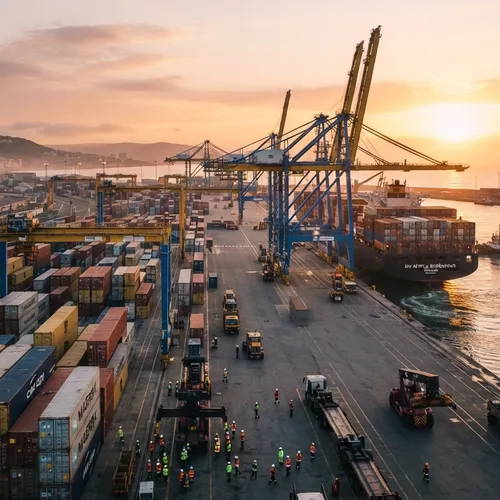
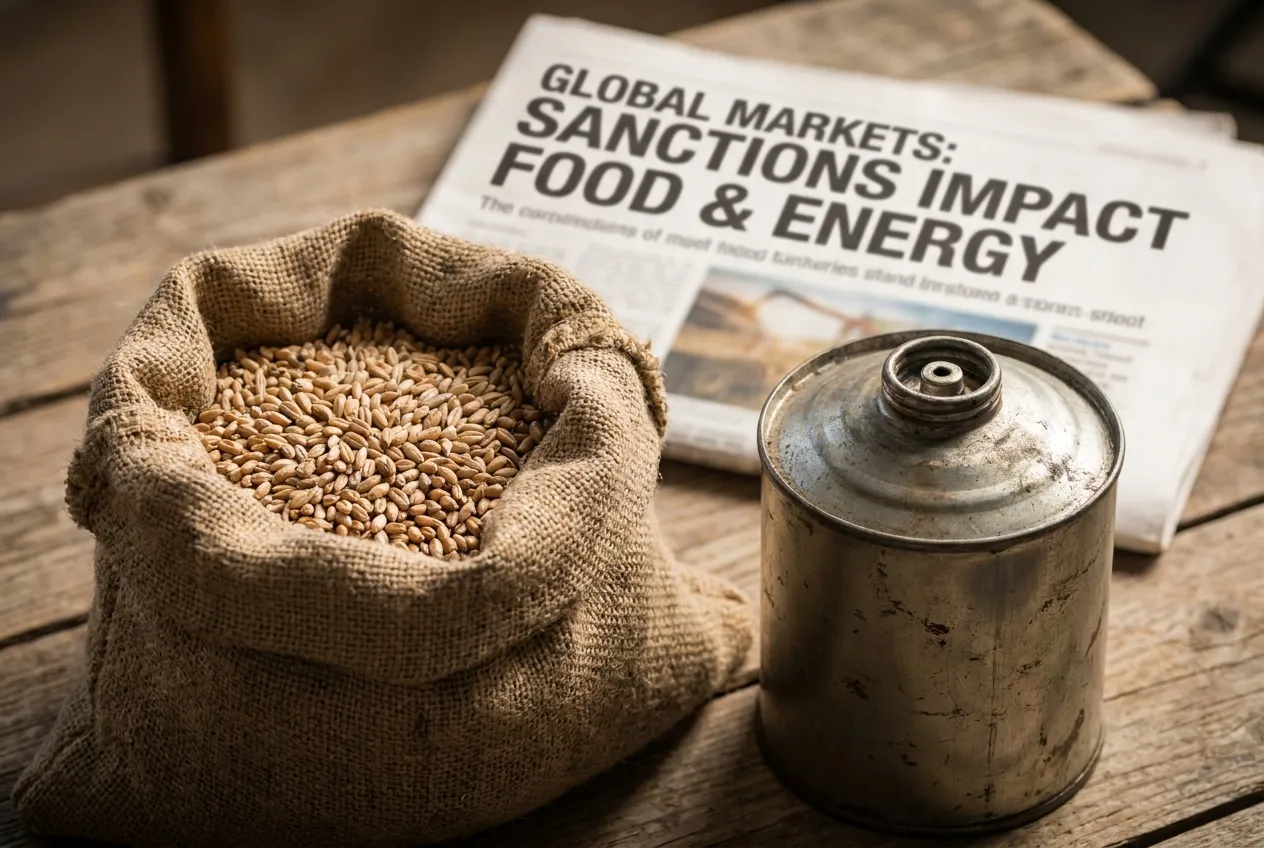
The financial risks are apparent. Russia remains a significant player in the international grain, fertilizer, and energy markets, and most African economies are sensitive to changes in all three. A loss of supply in these sectors can lead to increases in transport costs, the price of a loaf of bread, or the cost of farm inputs. Debt pressures and high import dependence will not be easily absorbed by countries that have to contend with weak currencies. And this is where sanctions cease to be an abstract foreign policy question and become a domestic problem.
The Diplomatic Balancing Act
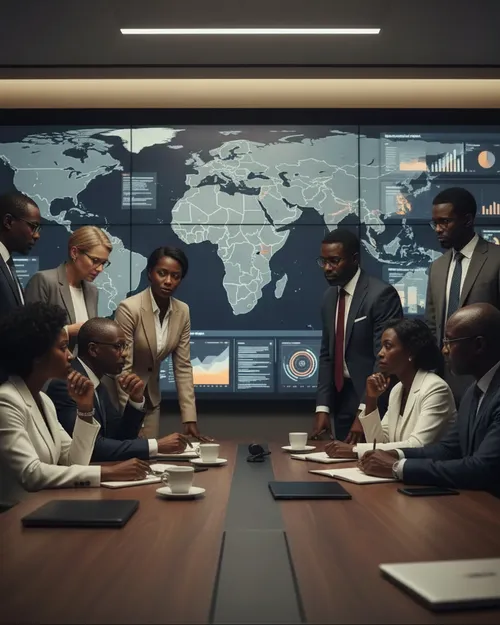
A less measurable diplomatic problem also exists. For years, Russia has been developing ties across Africa based on security cooperation, mining, energy deals, and political engagement. Some governments value those ties as alternatives to the West. Others view Russia as one of a number of partners. South Africa is a good example. Pretoria has been attempting to preserve its neutrality between the two camps while, at the same time, maintaining its ties with BRICS. Several governments in the Sahel have moved closer to Moscow, making the balancing act more complicated.
Those relationships may begin to become more financially risky if the sanctions become more aggressive. Banks might become wary, investors might pause, and governments might find that political neutrality is more easily expressed in words than in conduct. There is also a potential upside, but that will have to be taken with a pinch of salt. Increased pressure could strengthen the case for African economic independence through regional payment systems, intra-African trade, and greater African refining and fertiliser production. The difficulty is that these solutions are investment-intensive, coordination-intensive, and time-intensive.
Conclusion
Africa did not create the confrontation between Washington and Moscow, but it may still be affected by it. The price is typically borne by ordinary people in terms of food, fuel, transport, and jobs. The actual issue is which side Africa wishes to be on. The greater priority should be to reduce the influence of decisions made elsewhere on the continent and ensure that there is space for the continent to trade, negotiate, and act in its own best interests.