A US-backed consortium says its purchase of a 40% stake in two of Glencore’s biggest African mines is almost done. Its closing will be the strongest sign yet that the U.S. can purchase its way into a supply chain that China built over 20 years. Orion Resource Partners head Oskar Lewnowsky told Bloomberg Television last week that the purchase of 40 percent of Glencore’s Mutanda and Kamoto mines in the Democratic Republic of Congo was in its “final phases.” He had said that they are not trying to compete with China; they’re trying to create a supply chain nobody can monopolize.
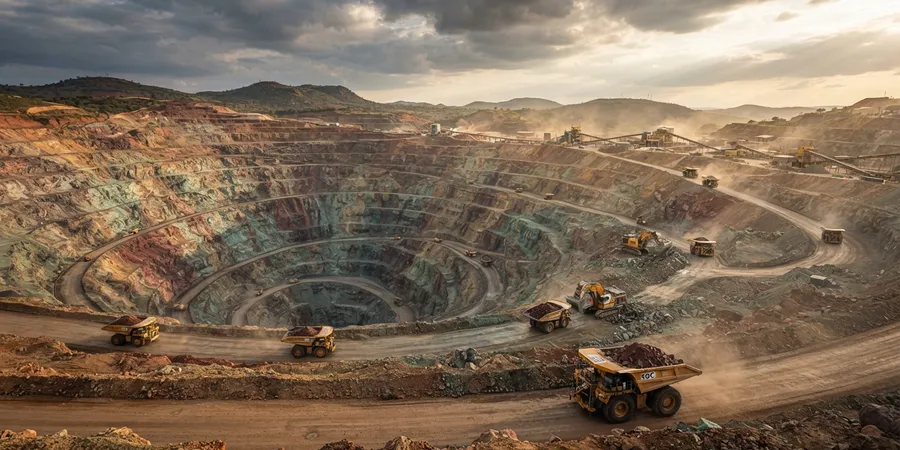
The numbers tell why Washington cares. Mutanda is the biggest cobalt mine in the world and accounts for nearly one-fifth of the world’s production. The two sites produced 247,800 tonnes of copper last year with Kamoto, about 30% of the company’s global output, combined with some 35,500 tonnes of cobalt. The February deal made them worth about $9bn each. Orion CMC is not a regular customer. Established in October 2025 by Orion Resource Partners, along with the US International Development Finance Corporation and a state investor in the UAE, it plans to invest approximately $5bn in critical minerals. Saudi Arabia is now playing in the mix as well, and Lewnowski states that he is seeking Asian allies.
The mines will continue to be operated by Glencore. What Orion is getting is arguably more valuable: the ability to pick the coordinators and to submit its portion of production to buyers for its nomination under a strategic partnership it entered into with Washington and Kinshasa last December. Basically, a piece of Congo’s metal would be diverted from the open market, where Chinese buyers typically prevail, to the US and its allies.
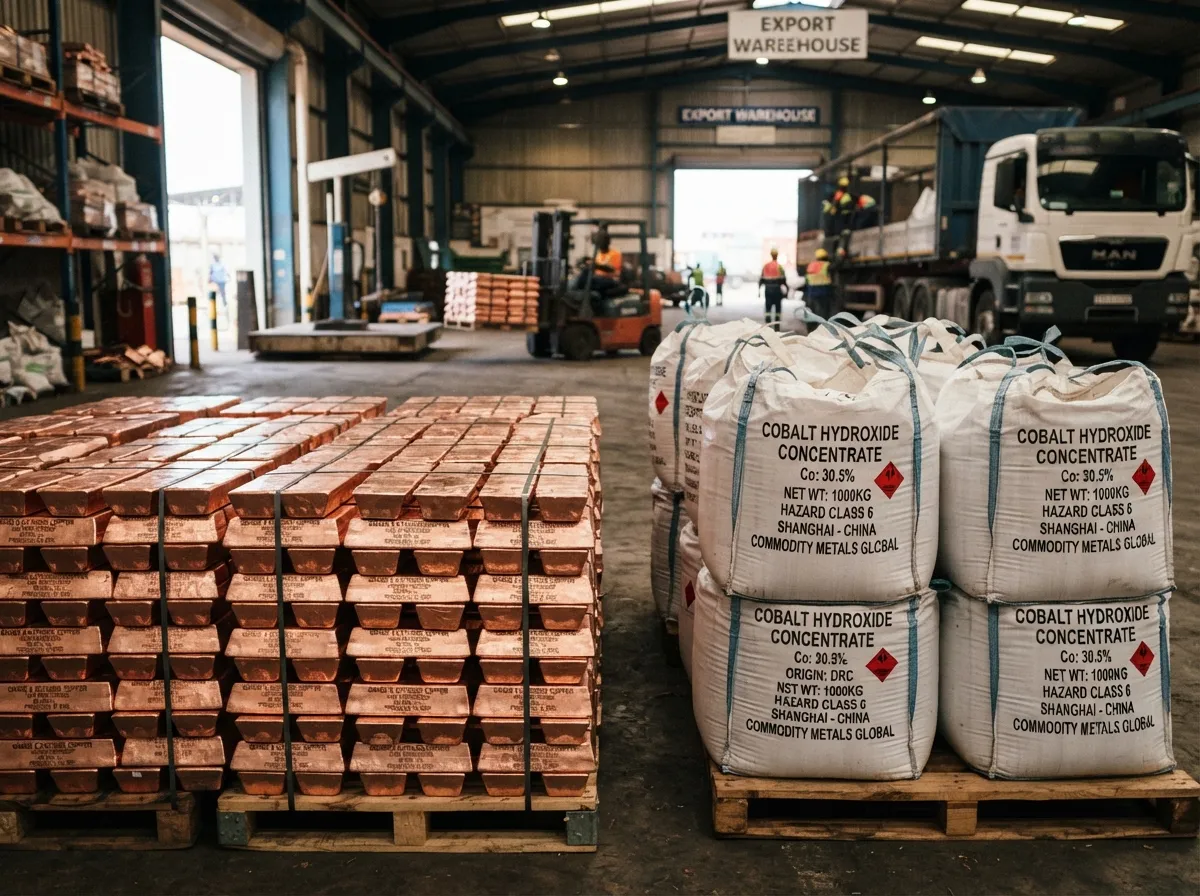
China’s influence in Congo is very strong. CMOC, Zijin, and Huayou are dominant firms in the country’s mining industry, with Beijing being Congo’s biggest bilateral creditor. Prior to the suspension, cobalt imported from Congo was estimated to account for about 80% of China’s cobalt feedstock. Congo, however, is not picking sides. It has recently signed a new mining cooperation agreement with Beijing in March, and its foreign minister, Thérèse Kayikwamba Wagner, stated that a nation of its size could not develop without one partner. Disputed licences and slow returns, as well as conflict in the east, would also discourage other American companies, analysts warn.
Orion is pressing ahead elsewhere. It is in advanced talks to invest in Lifezone Metals’ Kabanga nickel project in Tanzania, and Lewnowski says backing Chemaf, a Congolese copper miner bought by US-based Virtus Minerals, remains possible, though Glencore comes first.
There’s more to it. A minority stake does not introduce additional supplies, and the metal still needs to be processed, which is a domain of China. Offtake rights are faster than smelters, but they’re only the first half of the solution. Nevertheless, with the transaction finalized, Washington will finally have a secure production presence in the Congo. It will either be the first in a series, or it will be an expensive exception, depending on what Orion does next.